
THE SHORT ANSWER
A fasting blood sugar test measures glucose at a particular point after fasting. HbA1c reflects average blood sugar over roughly the previous two to three months. Doctors may use either or both tests depending on the question, and some conditions affecting red blood cells can make HbA1c less reliable.
- HbA1c reflects average blood sugar over roughly 2–3 months.
- Fasting blood glucose measures sugar at one point after a prescribed fast.
- A clinician decides which test—or combination—is right for you.
Why are there different blood sugar tests?
Blood sugar changes throughout the day as you eat, move, sleep, take medicines and respond to stress. For that reason, a doctor may need to know both what is happening at one particular moment and what your levels have looked like over a longer period.
Fasting blood sugar and HbA1c answer different questions. Neither is automatically “better” in every situation. The right investigation depends on your medical history, symptoms and the reason for checking your glucose.
What does a fasting blood sugar test measure?
A fasting blood glucose test measures the amount of glucose in your blood after an overnight period without eating. Because food can raise blood sugar, fasting creates a more standard starting point for comparing the result with established guidance.
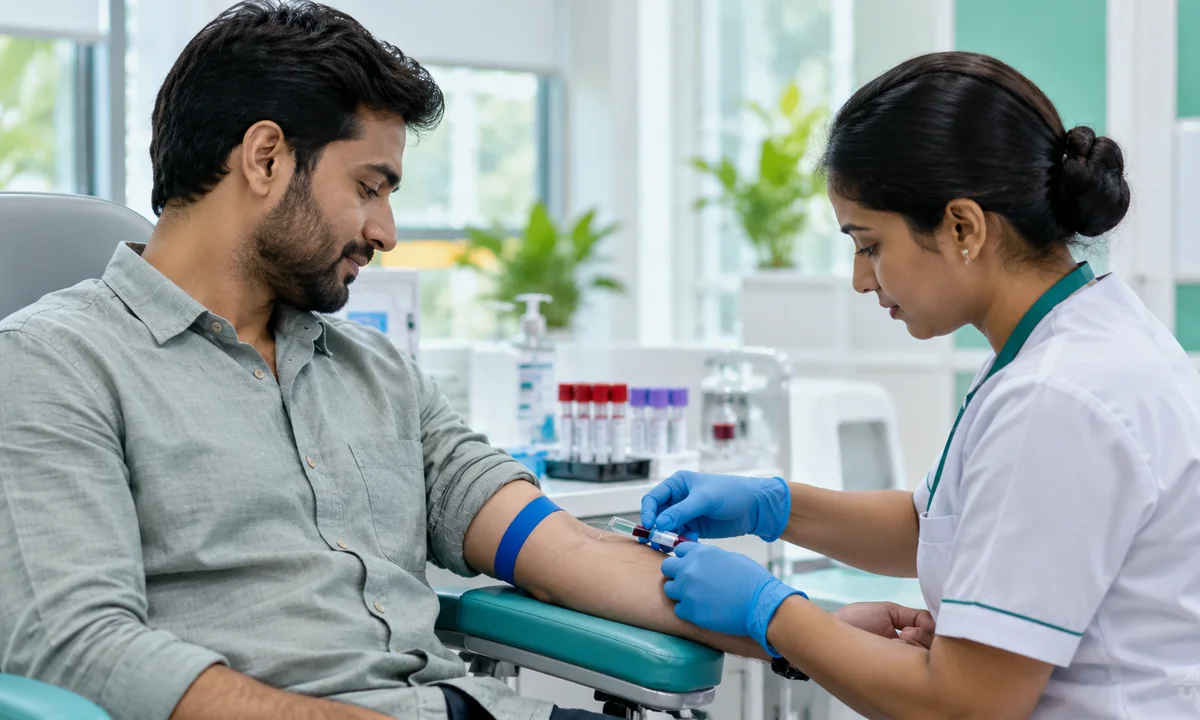
A healthcare professional collects a blood sample, usually in the morning. Follow the exact fasting instructions given by your doctor or lab. Water is generally allowed, but do not make changes to diabetes medicines without medical advice.
What is the HbA1c test?
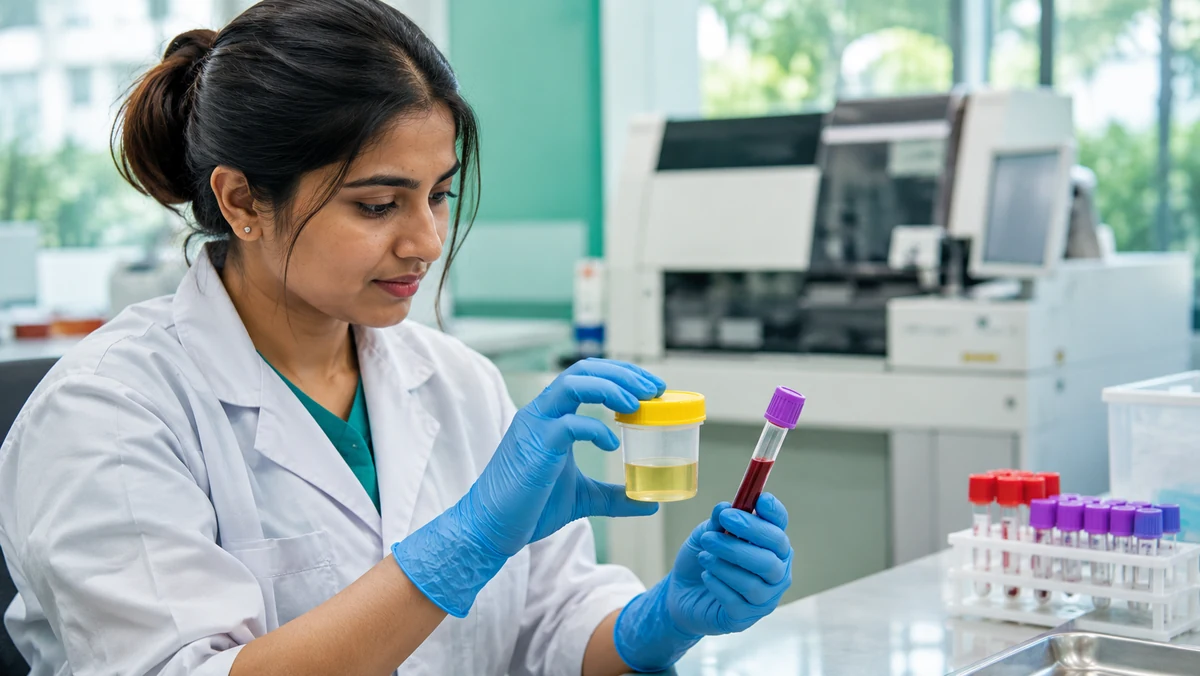
HbA1c, sometimes written A1C or glycated haemoglobin, reflects the average level of glucose that has been attached to haemoglobin in red blood cells over approximately the last two to three months.
This is useful because it is not as affected by what you ate just before a sample is collected. An HbA1c test on its own generally does not require fasting. It is also used by healthcare professionals to monitor diabetes management over time.
PREPARING FOR YOUR VISIT
A practical checklist
- Confirm whether the appointment includes fasting glucose, HbA1c or both.
- Ask how to handle diabetes medicines before fasting; do not stop them on your own.
- Take previous results so your doctor can compare trends instead of one reading.
Comparing the two tests
Sometimes your doctor may request both tests to understand an unexpected result or to monitor different aspects of glucose control. One test does not replace clinical judgement.
- Fasting glucose: a single measurement after a period without food.
- HbA1c: an estimate of average glucose exposure over recent months.
- Preparation: fasting glucose requires a prescribed fast; HbA1c alone usually does not.
- Best use: your doctor may select one, both, or another glucose test depending on the situation.
Can HbA1c ever be misleading?
Yes. Conditions that affect red blood cells or haemoglobin can make an HbA1c result less reliable. Examples include some types of anaemia, recent major blood loss or transfusion, and certain other medical conditions.
This is one reason your doctor may compare HbA1c with fasting or other blood sugar measurements. Avoid making treatment decisions from one online chart or an isolated result.
What if my result is outside the usual range?
A result may lead your clinician to ask about symptoms, repeat a test or order another type of glucose assessment. They will also consider medicines, age, pregnancy, relevant blood disorders and personal risk factors.
You do not need to interpret the result alone. Bring both current and previous reports to your appointment, and ask what the result means for your own follow-up plan.
Getting ready for testing near Howrah and Hooghly
If you have been asked to do a fasting glucose test, confirm the duration of fasting before you book. If an HbA1c and other blood tests are booked together, the other tests may still require preparation.
Lakhotia Diagnostics can help you enquire about applicable investigations at a preferred centre or whether an eligible sample may be collected at home. Confirm services, timing and pricing directly when booking.
LAKHOTIA DIAGNOSTICS
Need help planning a test?
Confirm test availability, preparation requirements and the most convenient centre before making your appointment.
Frequently asked questions
Do I need to fast for an HbA1c test?
Not for HbA1c alone in most cases. Other tests on the same order may require fasting.
Does HbA1c show today’s blood sugar?
No. It reflects average blood sugar over roughly the previous two to three months.
Can one normal test rule out diabetes?
Not always. Your doctor selects the appropriate tests and may need confirmation based on symptoms and risk factors.
Can anaemia affect HbA1c?
Some conditions affecting red blood cells can affect the result, which is why clinical interpretation matters.
Should I book HbA1c and fasting glucose together?
Sometimes clinicians order both, but the choice depends on your history and what they need to find out. Follow the exact prescription rather than adding tests yourself.
Sources and further reading
These independent medical resources provide background information for this patient guide. They do not establish which individual investigations are available at each Lakhotia branch.
This guide provides general information, not a diagnosis or a substitute for medical advice. Always follow your clinician's instructions and confirm current test availability and preparation with the centre.