
LABORATORY TESTING
Pathology & Laboratory Services
Small samples can provide important clues about your health.
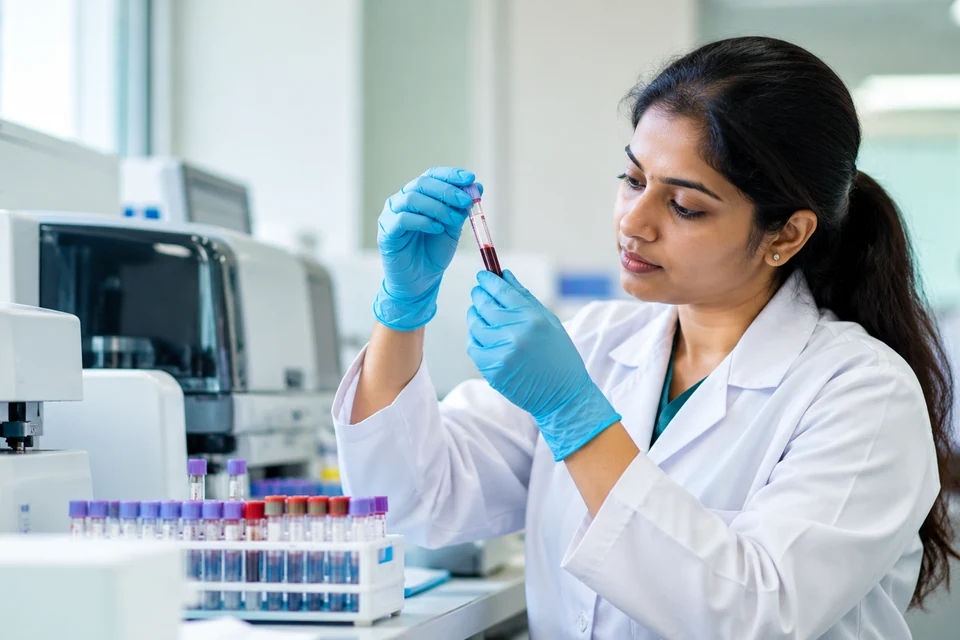
Pathology brings together the laboratory methods used to examine blood, urine, stool and tissue samples. Different specialties look for different clues: blood counts, chemistry markers, infections, antibodies, genetic material or changes within tissue. Your doctor requests specific investigations rather than one general “pathology test”.
UNDERSTANDING THE PURPOSE
Why this may be useful
Every person is different. A healthcare professional can help decide what is appropriate.
To investigate symptoms or changes noticed during an examination.
To track certain conditions or measure a response to treatment.
To assess a particular health question, from blood sugar to infection or tissue changes.
KNOW YOUR OPTIONS
What to explore
Use these guides to understand common topics. Only the confirmed test or package list should be used when making a booking.
Biochemistry
Blood sugar, cholesterol, kidney and liver-related measurements.
Haematology
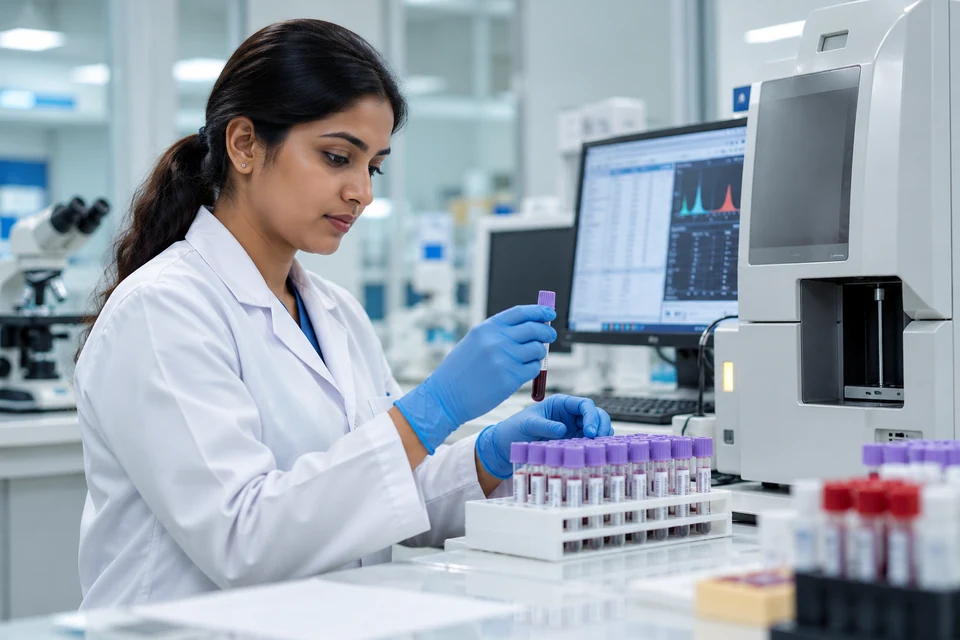
Blood cell counts and selected clotting investigations.
Clinical Pathology
Routine urine, stool and other specimen examination.
Serology
Blood tests that look for selected antibodies and immune responses.
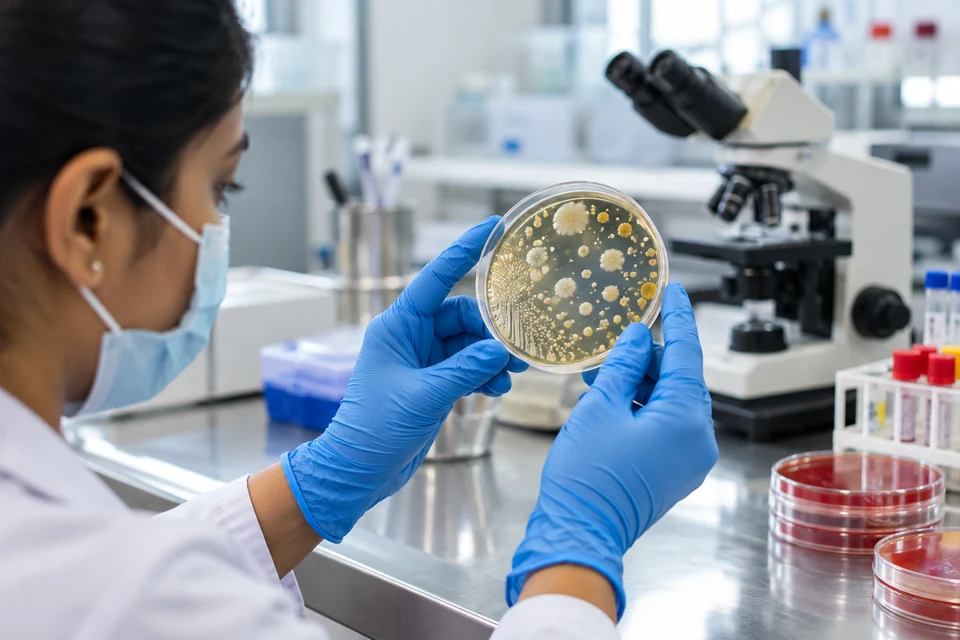
Microbiology
Cultures and methods that help investigate germs and infections.
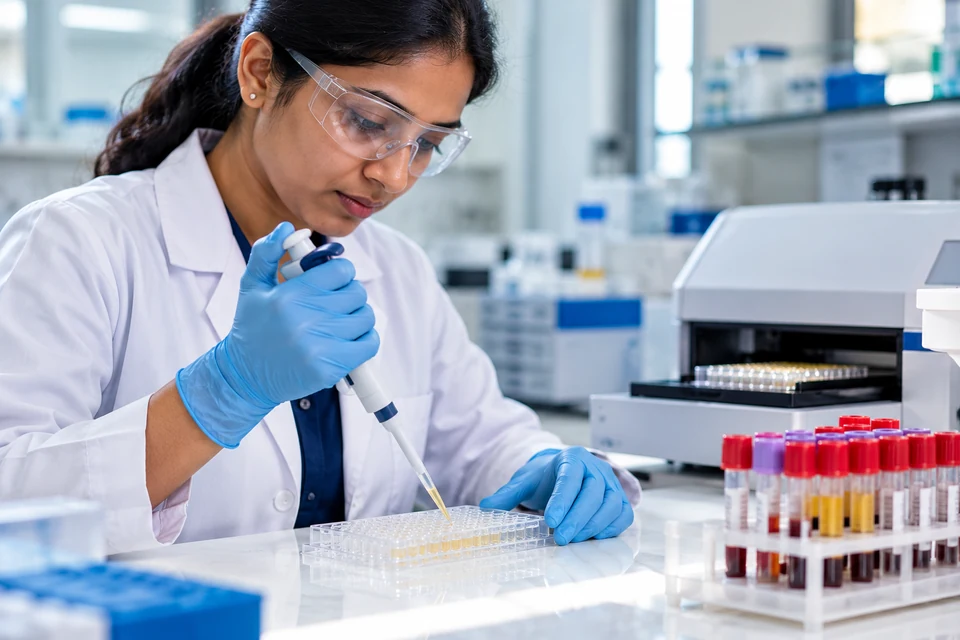
Immunology
Markers that may support immune, autoimmune or allergy evaluation.
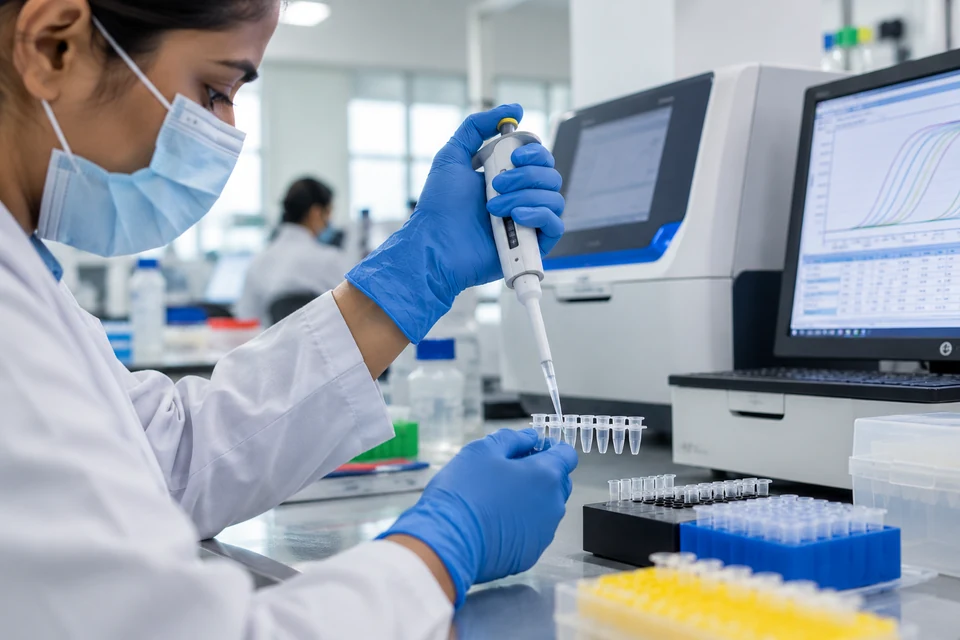
Molecular Biology
Selected DNA/RNA-based tests used for specific clinical questions.
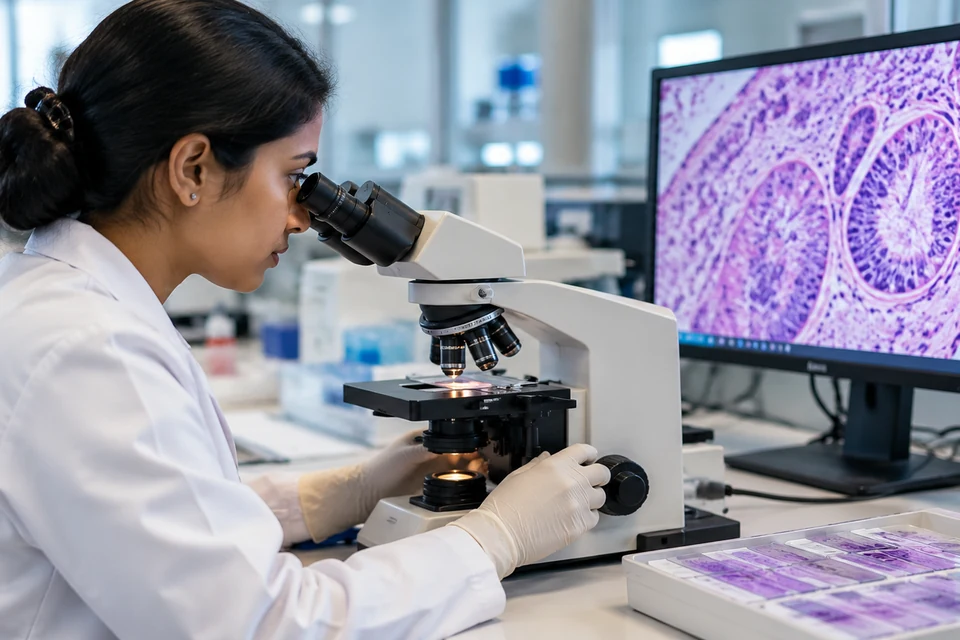
Histopathology
Microscopic examination of tissue samples from a biopsy or procedure.
A SIMPLE PROCESS
What to expect
The exact test and sample type are confirmed from the clinical request.
The sample is collected, labelled and prepared for the requested analysis.
A report is prepared and the treating clinician interprets the findings.
BEFORE YOU VISIT
How to prepare
Ask whether the test needs fasting, a particular time or a special container.
Tell your doctor if you are taking medication that may affect the investigation.
Use the centre’s sample collection instructions to reduce contamination or reporting delays.
Understanding the next step
Normal reference ranges differ by method and sometimes by age or other factors. A result slightly outside range is not automatically serious; the pattern and medical context matter.
QUESTIONS PATIENTS ASK
Frequently asked questions
Quick answers in everyday language.
Does every pathology test need blood?
No. Laboratories also examine urine, stool, tissue and other samples.
Can a pathology report diagnose an illness on its own?
Some findings are highly informative, but most results need to be interpreted with medical history and examination.
Do all tests need fasting?
No. Fasting and other requirements depend on the individual test.
Can I request home collection?
Some blood tests may be eligible. Confirm the exact investigation and address before making a booking.
LAKHOTIA DIAGNOSTICS
Questions about your next test?
Our team can guide you on the booking process and practical preparation details.