
DIAGNOSTIC IMAGING
Radiology & Imaging Services
Different scans, different answers. Find out which one your doctor has advised.
Imaging helps a doctor look at bones, organs and other structures without surgery. An X-ray can be useful for bones and parts of the chest; a CT scan creates detailed cross-sectional views; MRI uses magnets and radio waves; and ultrasound uses sound waves. The right scan depends on the medical question.
UNDERSTANDING THE PURPOSE
Why this may be useful
Every person is different. A healthcare professional can help decide what is appropriate.
To check an injury, swelling or unexplained pain.
To investigate a particular organ or part of the body.
To follow a known condition or compare changes with previous images.
KNOW YOUR OPTIONS
What to explore
Use these guides to understand common topics. Only the confirmed test or package list should be used when making a booking.
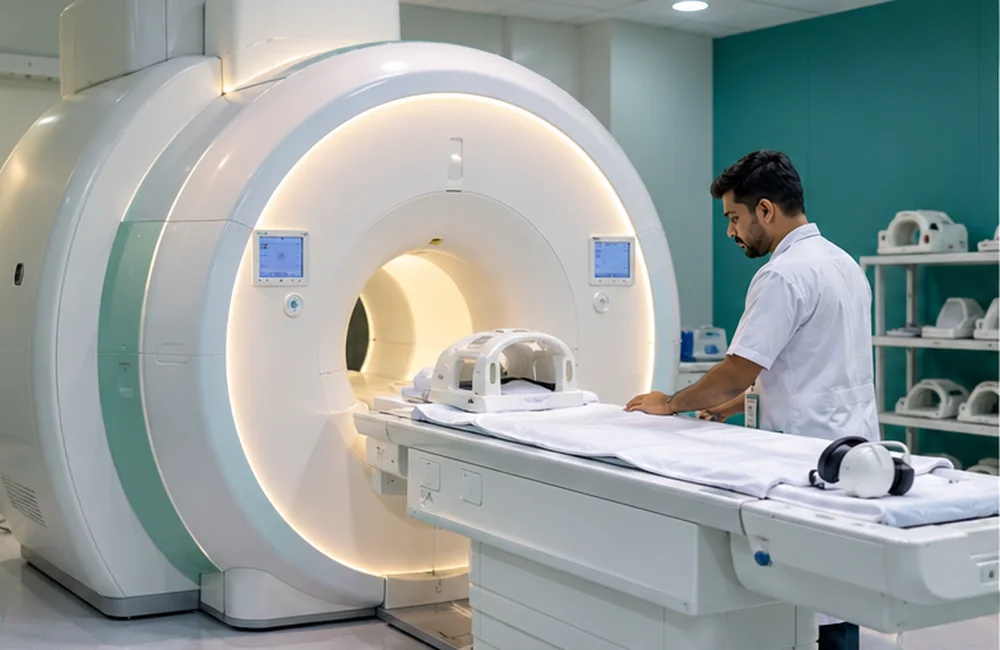
MRI Scan
Detailed imaging for many soft-tissue, brain, spine and joint questions.
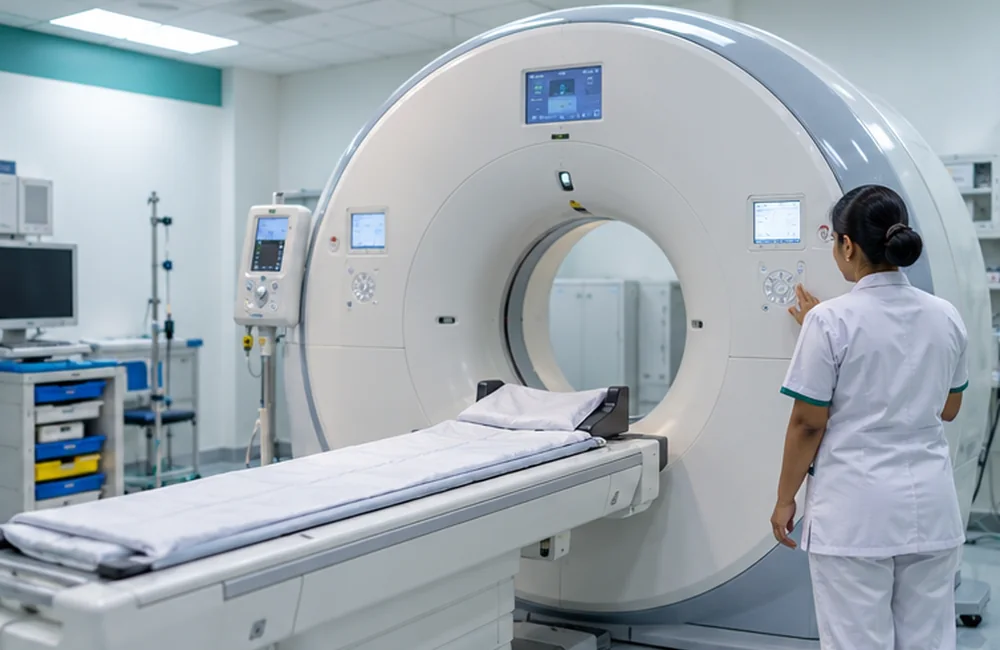
CT Scan
Cross-sectional images that can be useful in selected chest, abdomen and injury assessments.
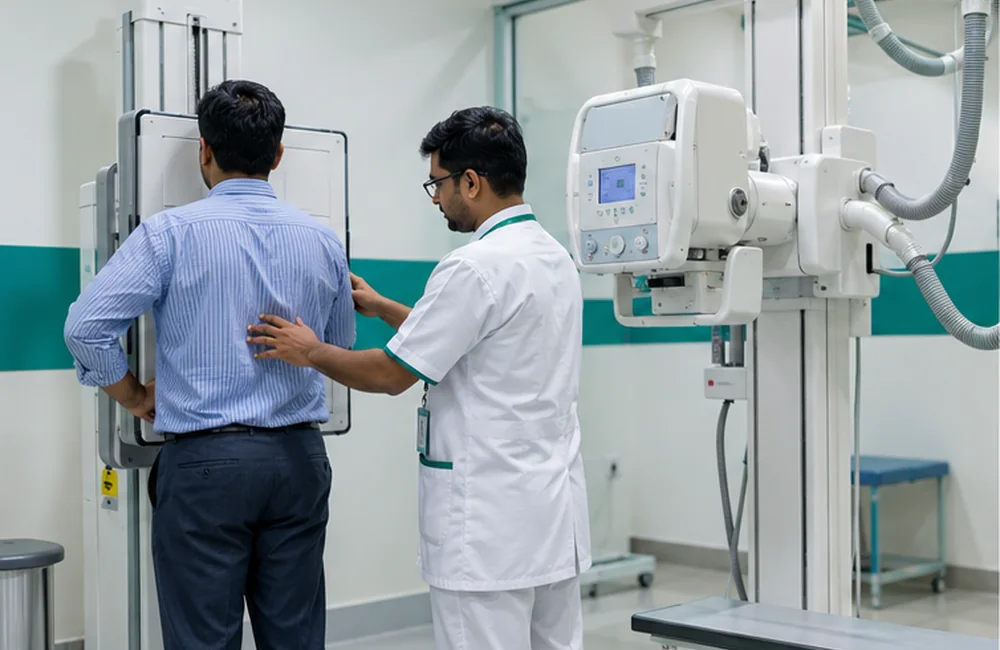
Digital X-Ray
A quick imaging method for many bone and chest investigations.

Ultrasonography (USG)
Sound-wave imaging that can assess organs, soft tissues and other areas without X-ray radiation.
A SIMPLE PROCESS
What to expect
Share the exact name of the prescribed scan with the booking team.
The team checks whether the examination is appropriate and explains positioning, timing and preparation.
A trained professional performs the examination; a reporting specialist interprets the images for your clinician.
BEFORE YOU VISIT
How to prepare
Tell the team if pregnancy is possible or if you have implanted medical devices.
Mention previous reactions to contrast material and any kidney-related concerns where relevant.
Bring past images or reports if the referring doctor has asked for comparison.
Understanding the next step
An imaging report describes what is visible in the images, not necessarily the cause of every symptom. Your doctor can explain the finding and whether additional tests or treatment are needed.
QUESTIONS PATIENTS ASK
Frequently asked questions
Quick answers in everyday language.
Which scan is best for my problem?
There is no single best scan for every condition. The referring clinician selects the examination based on the body area, symptoms and safety needs.
Is there radiation in an MRI?
MRI uses magnetic fields and radio waves rather than ionising radiation.
Does ultrasound always require a full bladder?
No. Some pelvic scans do, but other ultrasound examinations have different instructions.
Do I need an appointment for a CT or MRI?
A planned appointment is usually helpful; confirm the centre, equipment and preparation before visiting.
LAKHOTIA DIAGNOSTICS
Questions about your next test?
Our team can guide you on the booking process and practical preparation details.