
Blood glucose and HbA1c
A glucose result shows blood sugar at a particular time; HbA1c reflects average blood sugar over about two to three months.
SPECIALISED PATHOLOGY SERVICES
Learn what blood chemistry numbers can tell your doctor.
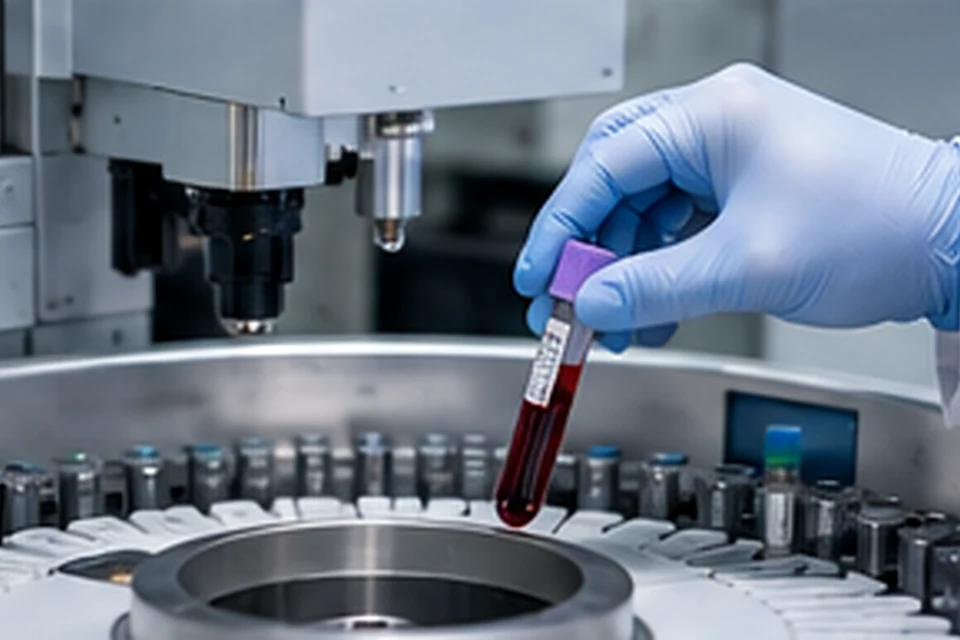
Biochemistry measures selected substances in blood and other body fluids. These measurements give clues about how organs and body processes are functioning. Common examples include blood glucose, cholesterol, kidney markers, liver-related enzymes and electrolytes. Each test has a specific purpose, and the right combination is chosen for your health question.
UNDERSTANDING THE PURPOSE
Every person is different. A healthcare professional can help decide what is appropriate.
To investigate blood sugar or metabolic changes.
To assess selected kidney and liver-related measurements.
To monitor a condition or treatment when advised by a clinician.
KNOW YOUR OPTIONS
Use these guides to understand common topics. Only the confirmed test or package list should be used when making a booking.
A glucose result shows blood sugar at a particular time; HbA1c reflects average blood sugar over about two to three months.
Measures selected cholesterol fractions and triglycerides relevant to heart-health risk discussions.
Can include substances such as creatinine, bilirubin or enzymes, according to the test ordered.
Measures substances such as sodium and potassium, important for fluid and body functions.
A SIMPLE PROCESS
The laboratory checks which markers your clinician requested.
A suitable specimen is collected and analysed using laboratory methods.
Your report is provided with test-specific reference information.
BEFORE YOU VISIT
Some tests require fasting; others do not. Get instructions for the specific panel.
Mention medicines, supplements and any recent illness to your doctor.
Do not stop prescribed treatment on your own.
An out-of-range number can have different causes and is not a diagnosis on its own. Your doctor may consider previous results, medicines, hydration, symptoms or other tests.
QUESTIONS PATIENTS ASK
Quick answers in everyday language.
No. Preparation differs between investigations and panels.
No. They give different information about blood sugar.
A clinician can help account for differences in methods and reference ranges.
Some routine blood samples may be eligible, subject to local availability and collection requirements.
LAKHOTIA DIAGNOSTICS
Our team can guide you on the booking process and practical preparation details.