
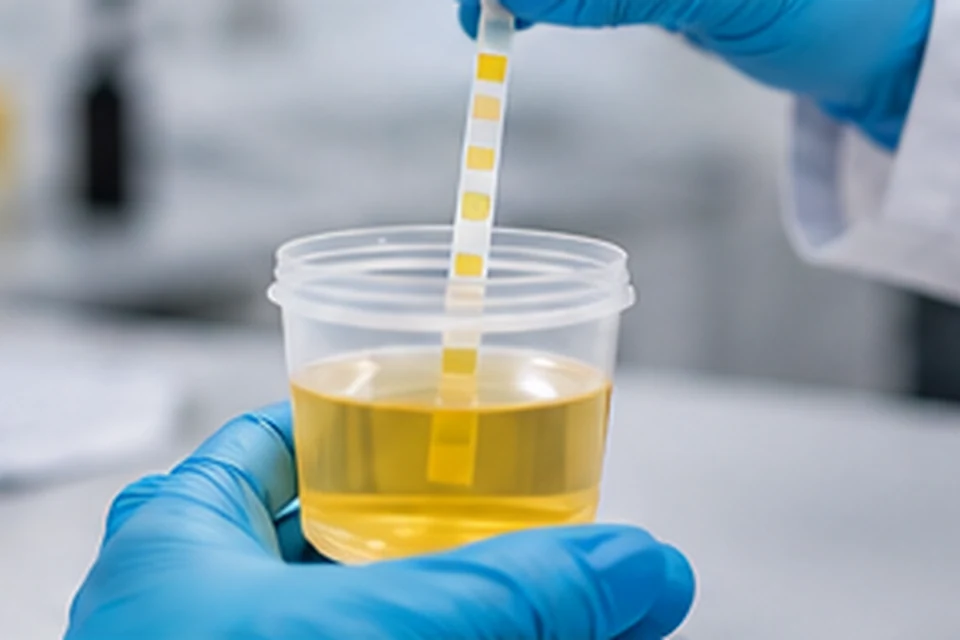
Urinalysis
Checks selected physical, chemical and microscopic features of a urine specimen.
SPECIALISED PATHOLOGY SERVICES
Simple specimen tests can reveal useful clues about everyday health concerns.
Clinical pathology commonly involves examining samples such as urine, stool and certain body fluids. Depending on the request, the laboratory can examine a sample’s appearance, look for chemical markers or check under a microscope. The type of sample and how it is collected matter to the result.
UNDERSTANDING THE PURPOSE
Every person is different. A healthcare professional can help decide what is appropriate.
To investigate urinary symptoms or an abnormal routine urine result.
To evaluate selected digestive or stool-related concerns.
To look for cells, crystals or other markers in a particular specimen.
KNOW YOUR OPTIONS
Use these guides to understand common topics. Only the confirmed test or package list should be used when making a booking.
Checks selected physical, chemical and microscopic features of a urine specimen.
Looks for cells, crystals and other particles in the sample.
May be requested to assess selected digestive concerns, depending on the exact test.
Some specialised samples are collected by a clinician for targeted laboratory study.
A SIMPLE PROCESS
Use the correct container and follow the test-specific collection instructions.
Bring or hand over the labelled sample within the advised timeframe.
The laboratory examines the requested features and prepares a report.
BEFORE YOU VISIT
Some urine tests require a clean-catch midstream sample; confirm what your test needs.
Do not reuse a household container or leave a specimen in warm conditions longer than advised.
Tell the centre if the sample collection instructions are unclear.
Changes such as blood or protein in urine can have several explanations. An unexpected result may need a repeat sample, additional testing or clinical evaluation.
QUESTIONS PATIENTS ASK
Quick answers in everyday language.
No. Urinalysis checks various urine features; culture looks for microbial growth.
Only if the laboratory approves that collection and storage timing.
Usually not, but follow the precise test instructions.
Your treating doctor can decide whether further evaluation is needed.
LAKHOTIA DIAGNOSTICS
Our team can guide you on the booking process and practical preparation details.