
Urine culture
Investigates microbial growth in a urine specimen.
SPECIALISED PATHOLOGY SERVICES
Looking for the cause of an infection begins with the right specimen.
Microbiology helps investigate bacteria, fungi and other germs that may be linked to illness. A laboratory may examine a sample under a microscope, attempt to grow microorganisms in a culture or use other tests. A culture result can sometimes help guide treatment decisions, but a germ found in a sample is not always the cause of symptoms.
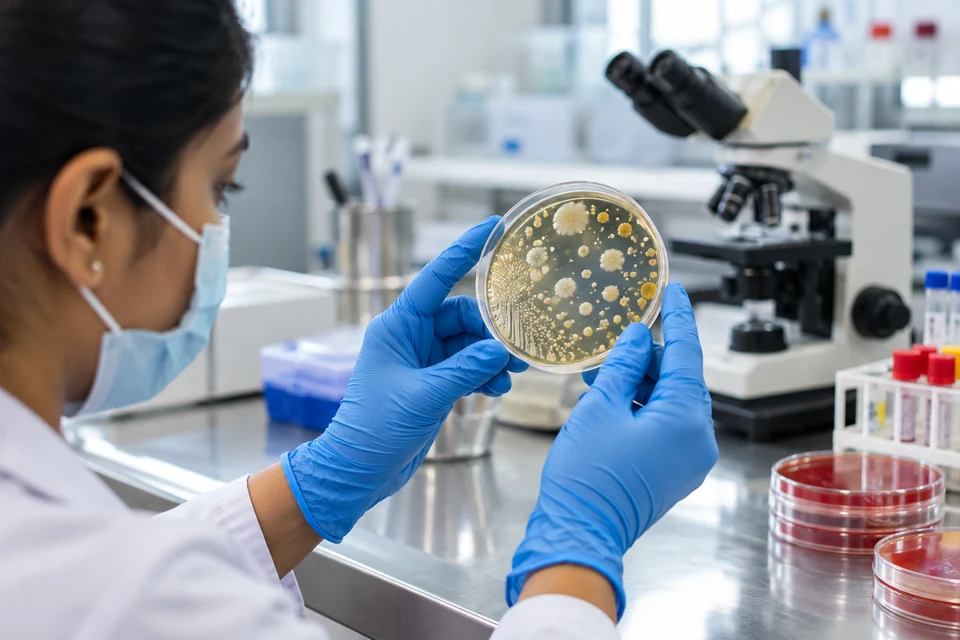
UNDERSTANDING THE PURPOSE
Every person is different. A healthcare professional can help decide what is appropriate.
To investigate possible urinary, wound or respiratory infections.
To look for particular organisms when symptoms suggest an infection.
To support selected treatment decisions when a culture is useful.
KNOW YOUR OPTIONS
Use these guides to understand common topics. Only the confirmed test or package list should be used when making a booking.
Investigates microbial growth in a urine specimen.
Looks for organisms in blood when clinically indicated.
Can examine selected respiratory or wound specimens.
Investigates particular fungal conditions when appropriate.
A SIMPLE PROCESS
The requested specimen is collected using the correct method.
The sample reaches the laboratory in the required container and timeframe.
If a culture is ordered, the lab checks for growth and reports relevant findings.
BEFORE YOU VISIT
Tell your clinician if antibiotics or other treatment have already started.
Follow instructions for clean collection and specimen transport.
Do not delay urgent care or stop antibiotics unless your clinician instructs you.
A culture may identify an organism, report no significant growth or suggest contamination. Only the clinician can connect that report to your symptoms.
QUESTIONS PATIENTS ASK
Quick answers in everyday language.
Some organisms need time to grow before they can be identified.
Often yes, using the correct container and clean-catch instructions where required.
No. Sample timing, prior treatment and other factors can affect results.
No. The location and type of organism matter, as does the clinical picture.
LAKHOTIA DIAGNOSTICS
Our team can guide you on the booking process and practical preparation details.