THE SHORT ANSWER
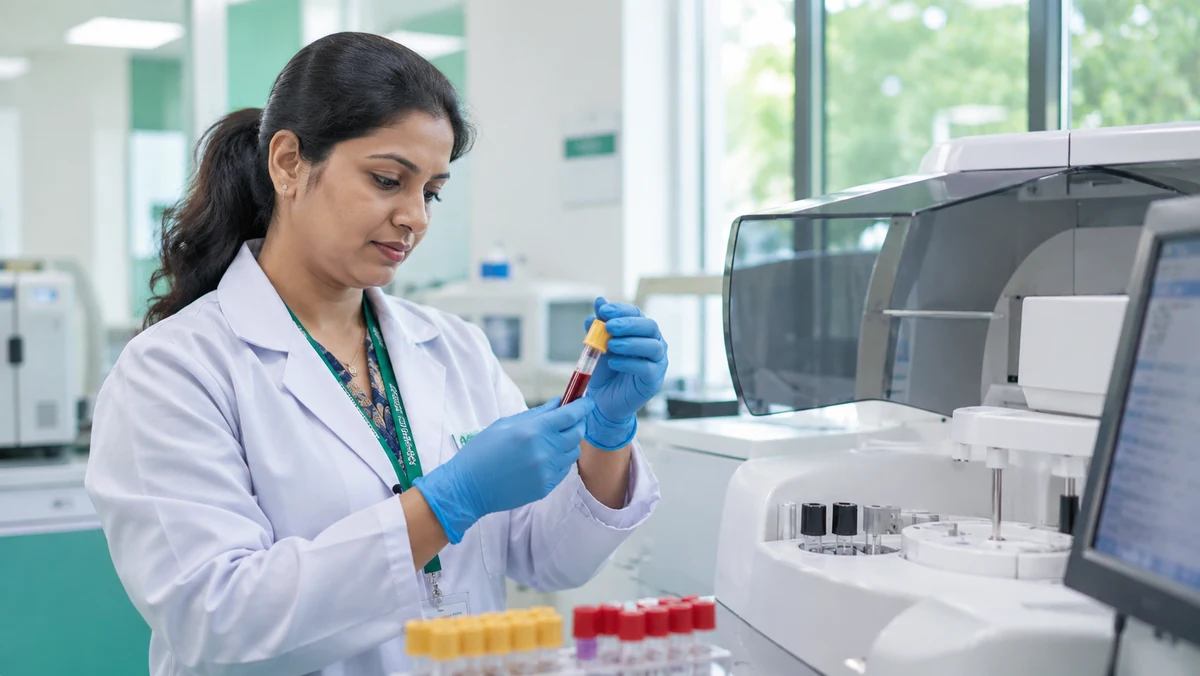
Kidney function tests help assess how the kidneys filter blood and whether there are signs of damage. Creatinine is a blood measurement, eGFR is an estimate calculated from it, and urine albumin testing checks for protein leakage. Doctors often consider these results together and look for changes over time.
- Kidney assessment commonly uses both a blood test and a urine test.
- Creatinine and eGFR help describe filtering; urine albumin can show possible kidney damage.
- A single abnormal result is not always enough to diagnose chronic kidney disease.
What is a kidney function test (KFT or RFT)?
Your kidneys remove waste products and extra fluid from the blood. They also help maintain the balance of important salts in the body. A kidney function test, sometimes called a KFT or renal function test (RFT), is a set of laboratory investigations that helps a doctor assess how the kidneys are working.
Kidney-related testing is particularly useful for people with diabetes, high blood pressure, heart disease or a family history of kidney problems. Kidney disease can develop with few noticeable symptoms, which is why a doctor may recommend testing based on risk rather than how you feel.
Creatinine and eGFR: what is the difference?
Creatinine is a waste product produced by muscles. The kidneys normally help remove it from the bloodstream. A creatinine blood test gives one piece of information about kidney filtering, but the value can be affected by age, muscle mass and other factors.
An estimated glomerular filtration rate (eGFR) uses the creatinine reading and other information to estimate how well the kidneys are filtering. It is an estimate, not a direct measurement. Your doctor may also look at how the result changes over time and whether the test was performed while you were acutely unwell.
- Creatinine: a measured blood marker that can be affected by kidney filtering and body factors.
- eGFR: an estimate of kidney filtration based on a calculation.
- Urea or BUN: another waste-related measurement that may be included in a renal panel.
- Electrolytes: salts such as sodium or potassium that may be checked alongside kidney tests.
Why urine albumin (UACR) matters too
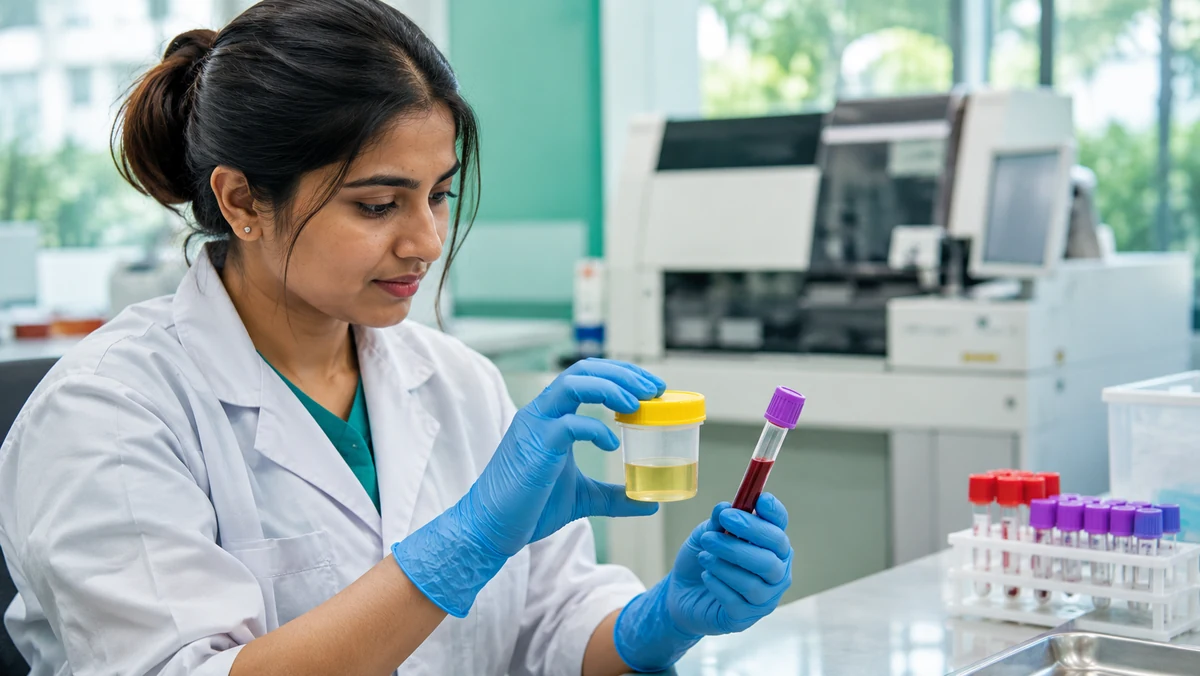
A urine albumin-to-creatinine ratio, also called UACR or urine ACR, checks for a small amount of the protein albumin in urine. Higher levels can be a sign of kidney damage, even when a person's eGFR is still relatively preserved. That is why blood and urine tests are often considered together.
If your doctor orders a urine sample, ask how to collect it correctly. A first-morning sample is sometimes preferred, but a random sample may also be suitable. The collection centre will give you the instructions for the test actually requested.
PREPARING FOR YOUR VISIT
A practical checklist
- Confirm whether you need blood tests, a urine sample or both.
- Share your previous kidney reports, medicines and relevant medical history.
- Ask how to collect a urine sample correctly, and do not change medicines without medical advice.
Who should discuss kidney testing with a doctor?
People with diabetes, high blood pressure, heart disease or a family history of kidney failure may benefit from kidney testing at intervals advised by their clinician. A doctor may also order tests because of changes in urination, swelling, unexpected blood pressure changes or concerns raised by another report.
Not everyone needs a broad kidney screening panel at the same frequency. Your medical history, risk factors and any previous abnormal results help determine which investigations are appropriate and when to repeat them.
How to prepare for kidney function blood and urine tests
Many kidney blood tests and urine tests need only routine collection, but fasting or other instructions can apply when they are combined with glucose or metabolic tests. Ask the laboratory about your exact prescription. Avoid trying to change a test result by drinking extreme amounts of water or changing your usual food intake unless specifically advised.
Tell the team about medicines, supplements and recent illness. Do not stop prescribed drugs or alter fluid restrictions that were set by your doctor. If you are providing a urine specimen, follow the collection and handling instructions carefully.
Understanding an abnormal creatinine or eGFR result
One unusual value can reflect several situations, including temporary changes in hydration or a recent illness. Chronic kidney disease is generally assessed using evidence that persists over time, alongside urine findings, other tests and clinical history. Avoid diagnosing yourself from a single eGFR reading.
Bring previous results to your appointment. Your doctor may want to compare trends, repeat the test or investigate other possible explanations. Seek prompt medical help if there is suddenly very little urine, severe swelling, breathing difficulty or other concerning symptoms.
KFT, creatinine and urine test enquiries in Howrah and Hooghly
Lakhotia Diagnostics can help you enquire about doctor-advised kidney function tests, creatinine, eGFR-related blood testing and urine investigations at available centres across Howrah and Hooghly.
Before you book, confirm whether the prescription includes blood tests, urine tests or both, and ask the centre about preparation, sample collection and report arrangements. Eligible home collection may be possible for some tests and locations.
LAKHOTIA DIAGNOSTICS
Need help planning a test?
Confirm test availability, preparation requirements and the most convenient centre before making your appointment.
Frequently asked questions
Are KFT and RFT the same thing?
Both terms commonly refer to a renal or kidney function testing panel. The exact items depend on the laboratory and doctor's prescription.
Does a normal creatinine always mean my kidneys are healthy?
Not necessarily. Creatinine alone may miss issues, and urine albumin or eGFR can provide important additional information.
What is eGFR?
eGFR is a calculated estimate of how well the kidneys filter blood. It needs interpretation in the context of age, symptoms and other findings.
Why is a urine albumin test ordered?
It looks for albumin in urine, which can help detect or monitor kidney damage in certain patients.
Is fasting required for a creatinine blood test?
Often it is not, but combined panels may have preparation rules. Follow the instructions given for your particular test.
Sources and further reading
These independent medical resources provide background information for this patient guide. They do not establish which individual investigations are available at each Lakhotia branch.
- NIDDK — Identify & Evaluate Patients with Chronic Kidney Disease ↗
- NIDDK — Assess Urine Albumin ↗
- NHS — Chronic Kidney Disease: Diagnosis ↗
This guide provides general information, not a diagnosis or a substitute for medical advice. Always follow your clinician's instructions and confirm current test availability and preparation with the centre.